Carbonyl Chemistry Chapter 14: Enols, Enolates, and Carbon–Carbon Bond Formation
Chapter 14: Enols, Enolates, and Carbon–Carbon Bond Formation
Building Larger Molecules
Estimated reading time: 2 min
In this chapter
Introduction
Many important organic reactions involve atoms adjacent to carbonyl groups.
These positions possess unusual acidity and can give rise to highly useful intermediates known as enols and enolates.
These species make possible the formation of new carbon-carbon bonds.
Keto-Enol Tautomerism
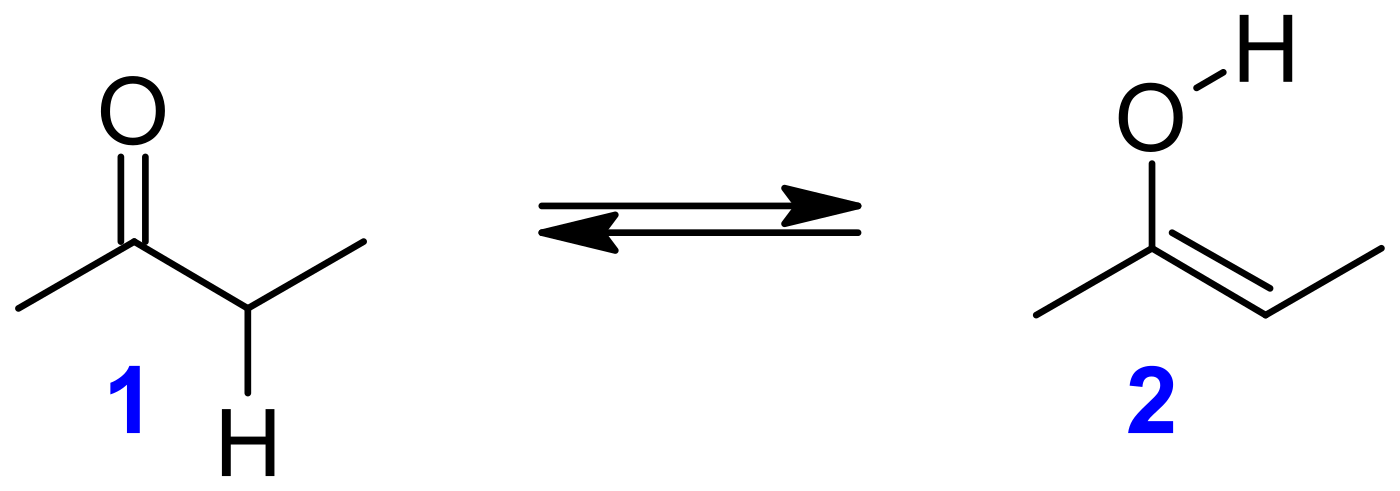
Carbonyl compounds may exist in equilibrium with enol forms.
Although keto forms are usually favored, both structures play important roles in reactivity.
Enolates
Removal of an α-hydrogen produces an enolate.
Enolates are stabilized by resonance and serve as powerful nucleophiles.
Carbon–Carbon Bond Formation
One of the most important goals of organic synthesis is constructing larger molecules.
Enolates enable this through reactions such as:
Aldol Reactions
Formation of β-hydroxy carbonyl compounds.

Claisen Condensations
Formation of β-keto esters.
These reactions represent important examples of carbon-carbon bond formation.
Themes That Reappear
Throughout carbonyl chemistry, familiar ideas continue to dominate:
- resonance,
- acids and bases,
- nucleophiles,
- electrophiles,
- stability,
- and electron flow.
Organic Chemistry II repeatedly revisits the principles established in earlier chapters.
Self-Assessment
I can:
☐ Explain keto-enol tautomerism.
☐ Identify the alpha position and explain why it is unusually acidic.
☐ Recognize an enolate as a resonance-stabilized nucleophile.
☐ Recognize aldol reactions and Claisen condensations as carbon–carbon bond-forming reactions.
Looking Ahead
Carbonyl chemistry demonstrates the remarkable power of resonance and electron flow.
The next part explores another extraordinary consequence of electron delocalization: aromaticity.
Benzene and related compounds possess unusual stability and exhibit their own distinctive patterns of reactivity.
Common Mistake — Viewing Reactions Independently
Common Mistake — Overlooking Which Proton Is Most Acidic